

Dear readers:
Long time no see! After nearly a year of MFA applications and intensive reading and writing practice, my reward for 2026 is a trip to South Africa! During my time traveling through this country, I encountered so many stories that challenged my perspectives and expanded my mind. I’m sharing some of them here (if you’re thinking of visiting South Africa, feel free to reach out to us for advice, this year, I’m exploring the travel business as a new venture). Anyways, hope you enjoy the read!
I. Animal sighting as a competitive sports?
My boyfriend was born and grew up in South Africa. As a child, his family went on safari more than ten times, it was their go-to holiday destination. He knows the names of the animals like the back of his hand, and sometimes even reminds the guides if an animal seems to be limping and might need attention. So when we drove seven hours from Pretoria, South Africa’s administrative capital, to Zulu land (where his brother is currently working at a game reserve lodge) I couldn’t help but suspect his motives. Maybe, through the fresh eyes of a newbie like me, he wanted to rediscover the animals he’d long grown used to.
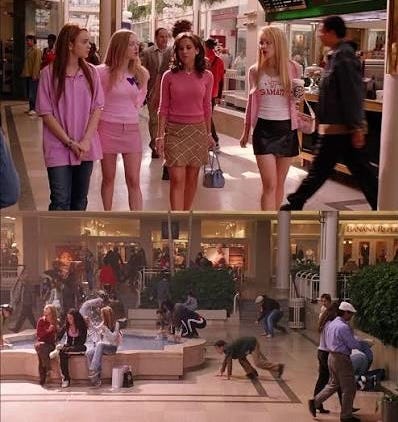
By then, my only perception of a safari consisted of a scene from Mean Girls: at a mall, teenagers roamed like animals seeking water and shelter, in their appropriate predatory rank, as imagined by the protagonist, a girl who grew up in Africa, played by Lindsay Lohan. Growing up, that scene looped a lot in my mind for capturing the essence of teenage horror. My reference for a safari was a chick flick (is this anti-feminist?) American movie. The expectation for the experience had already been suspended in fiction.
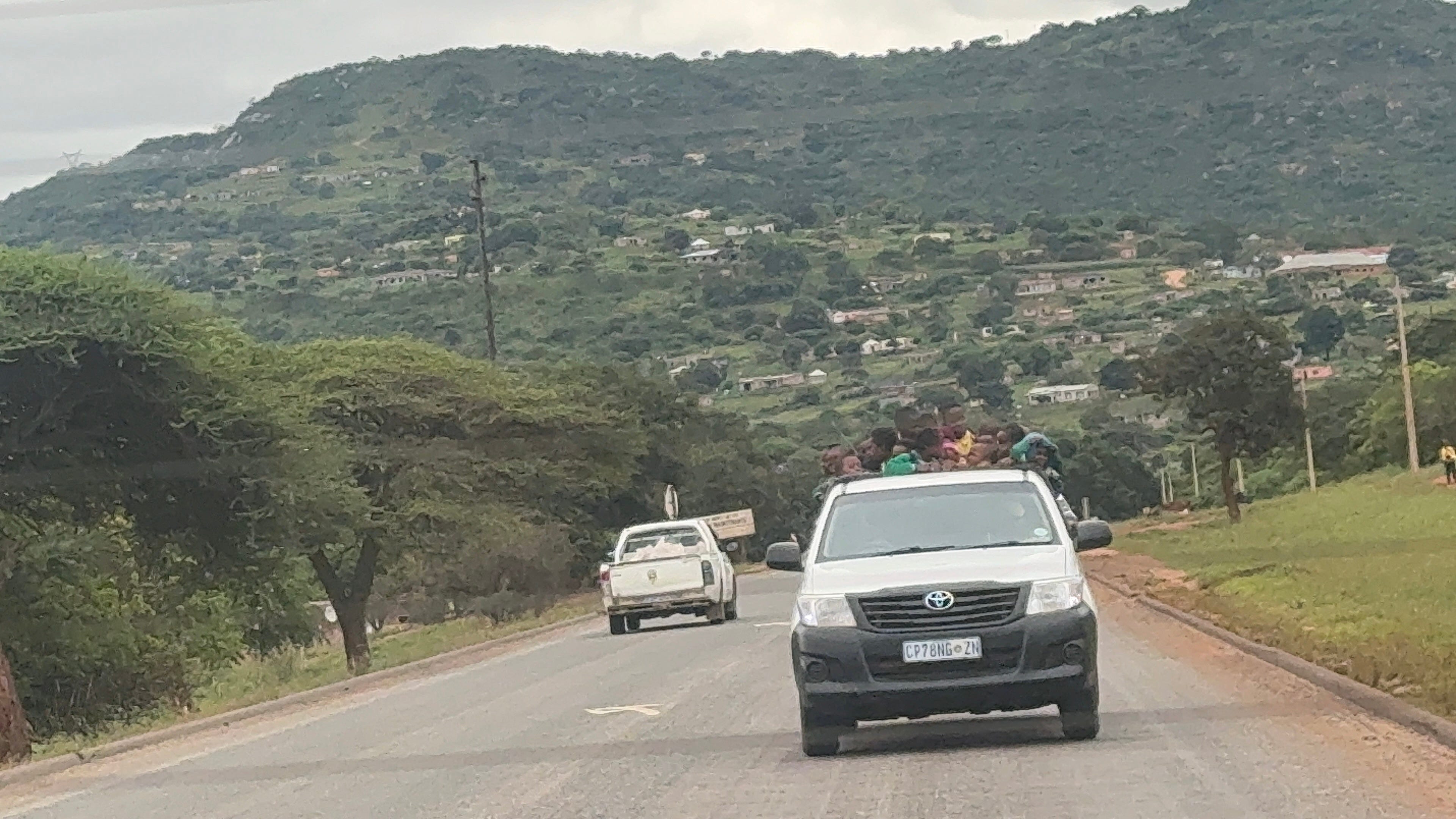
If the potholed road was anything for the 4x4 to take, driving into the nature reserve was something else. Deep ruts made the car swing back and forth us like a baby in cradle. You gotta avoid ditches while keeping your eyes sharp to spot animals by the roadside. As if part of a welcoming ritual, within half an hour, rhinos, giraffes, kudus, impalas appeared in pack. The black and white stripes of zebras were more vivid than the picture books. It’s a child’s dream come true. For the week we were there, little did I know that would be the most packed animal sighting of the entire trip. A Norwegian lady said she even spotted elephants on the way in, which was immediately challenged by our guide, a native Zulu man with ten years of experience under his belt, who had already been driving us for an hour to see elephant, asked: “are you sure they were elephants?”
The 60-some year old lady laughed, said she had touched elephants in Thailand; of course she’d know one if she saw one. You can see how it quickly turns into a competitive sports of some sort.
Human appetite is notoriously large, we want to see more animals, more dangerous animals, animals do more things — playing, fighting, hunting, mating…Sometimes seeing is not even enough.
On the ride, I resisted my itch to be closer, to have the opportunity to lay my fingers on one like in the petting zoo in Beijing, which was obviously forbidden. The most I was allowed, my boyfriend told me, was: “saying hi to them is okay”. So if you were to ride with us that week, you’d see a white guy gazing outward, fully present in the moment, and an Asian girl in a neon yellow jacket waving at herbivores, juggling between her iPhone and digital camera for the best photos, as if the eyes themselves couldn’t capture enough. Like any competition sports, the fear of falling behind was real.
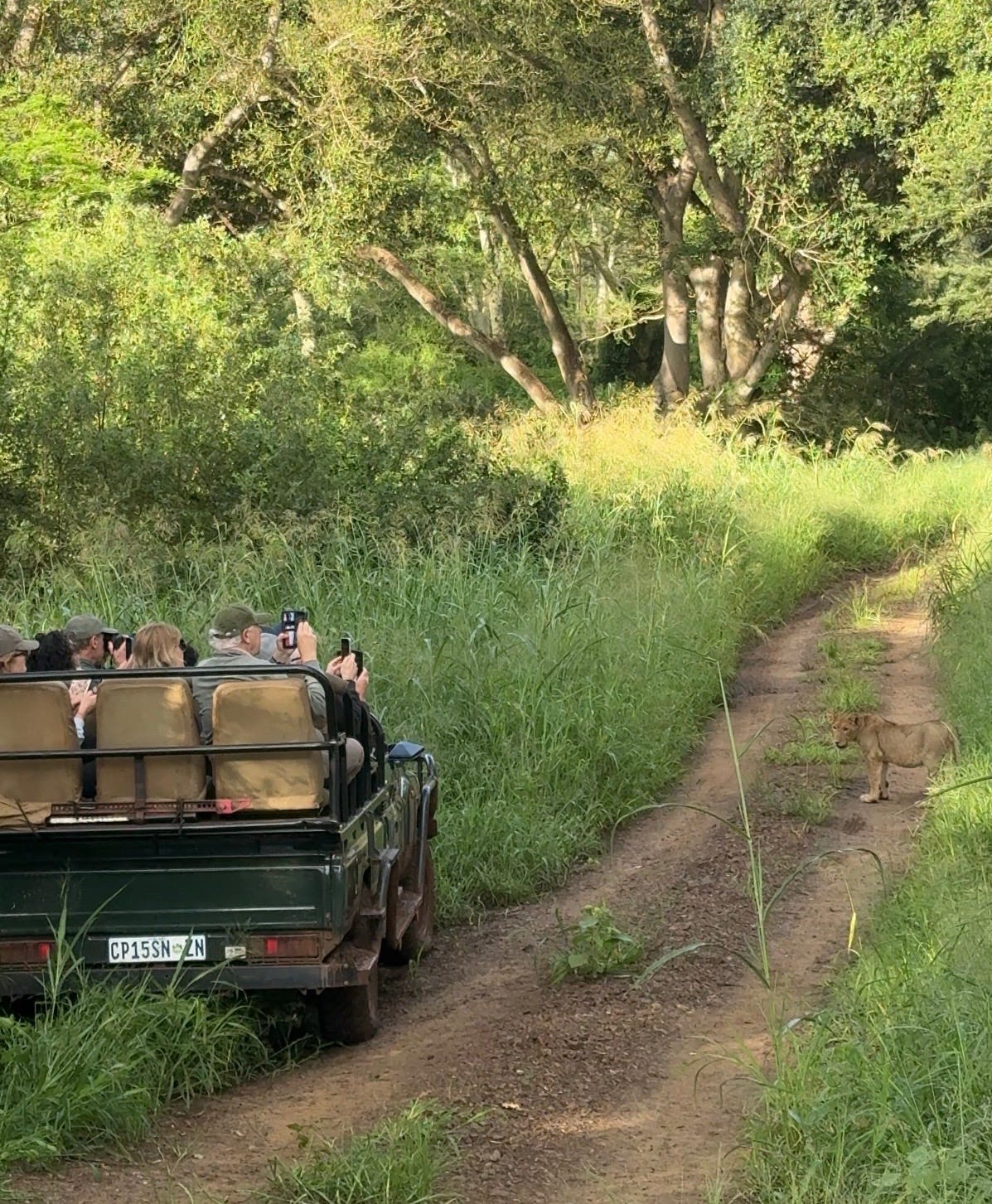
Some excel at this sport. An experienced guide like my boyfriend’s brother, who had worked at the lodge for ten years started as a guide himself, could track a lion’s foot print within 30 minutes. Soon we arrived at the sight of four cubs snuggled against their mother, gently wrestling with each other, waiting while she prepare to hunt impala.
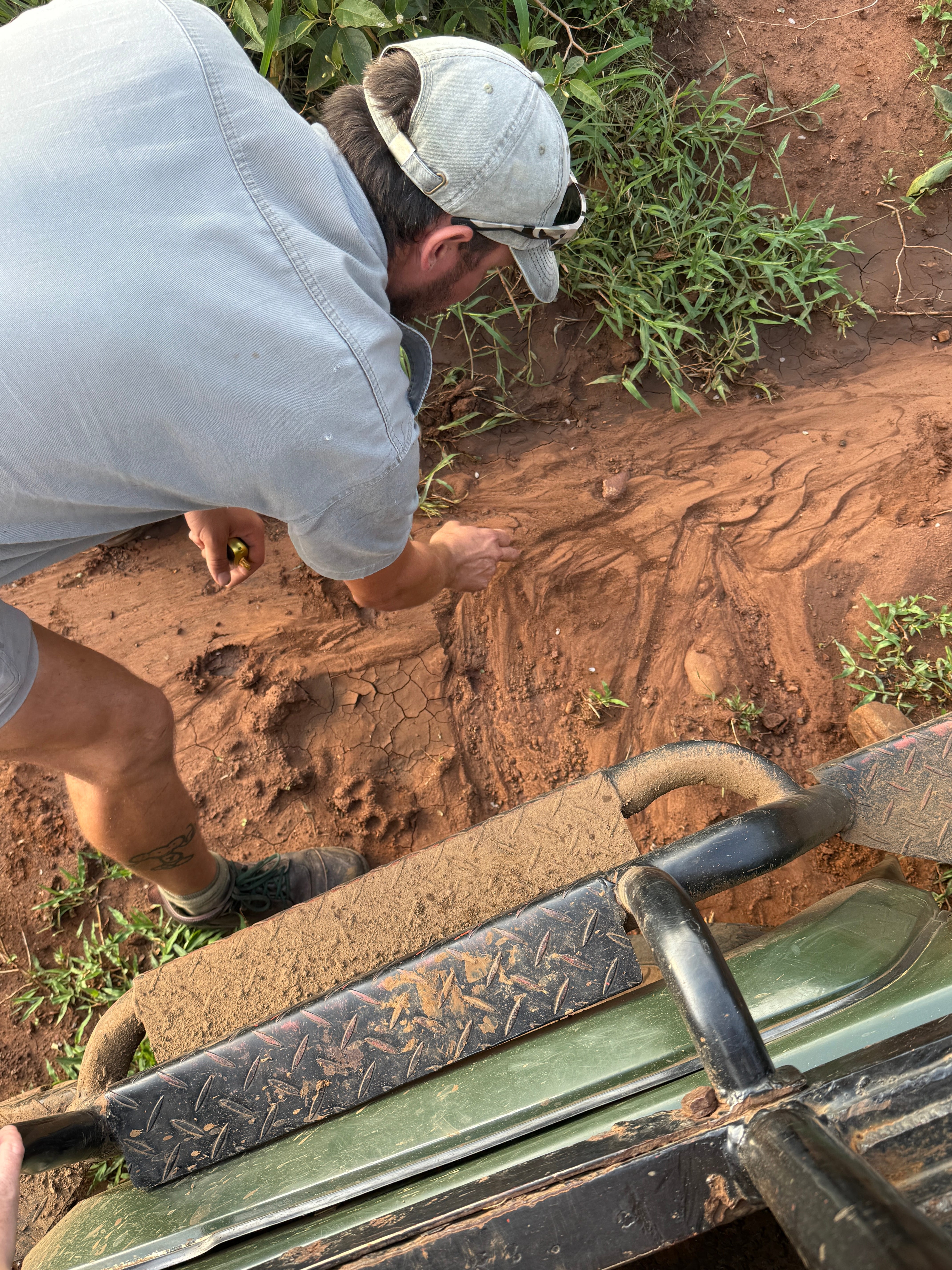
You can understand the pressure on the guides to find animals for guests. They carry walkie-talkies, exchanging informations with co-workers for any signal of lions, that’s why you sometimes see multiple Toyotas zooming towards lions, because that is supposedly the animal to see.
To be honest, seeing lions in their natural habitat was thrilling.
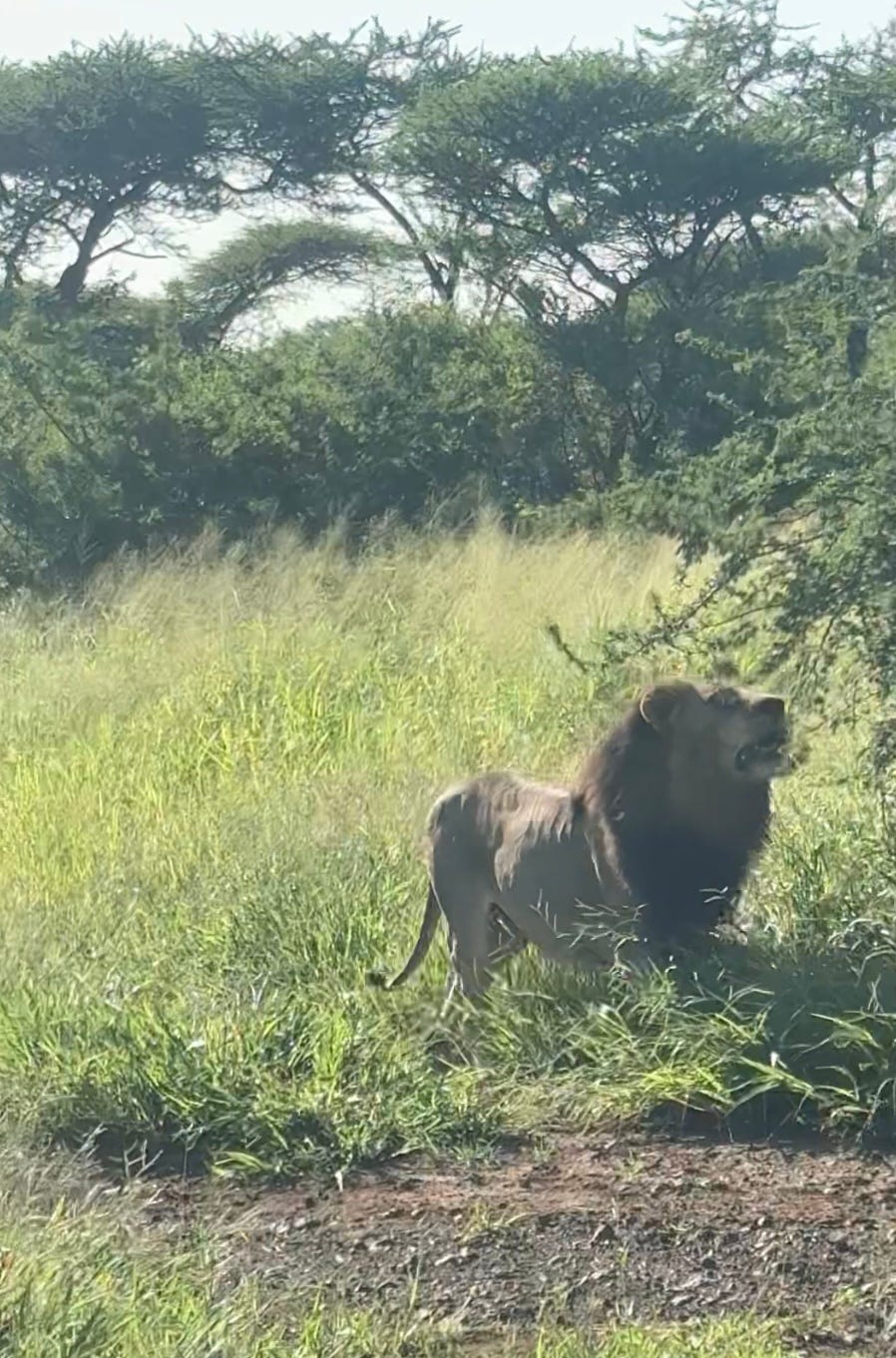
We accidentally drove into two lions’ territory while they were in hunting mode. The guide hurriedly reversed the vehicle. Their massive manes wrapped around their face, darker fur covering their chest and extending down their backs. They were born with a crown, hair shone in glory. Bulging veins beat along their back, sending strong pulses towards their hollow stomachs, they were visibly hungry. Their paws landed full yet graceful on the ground, each move deliberate.
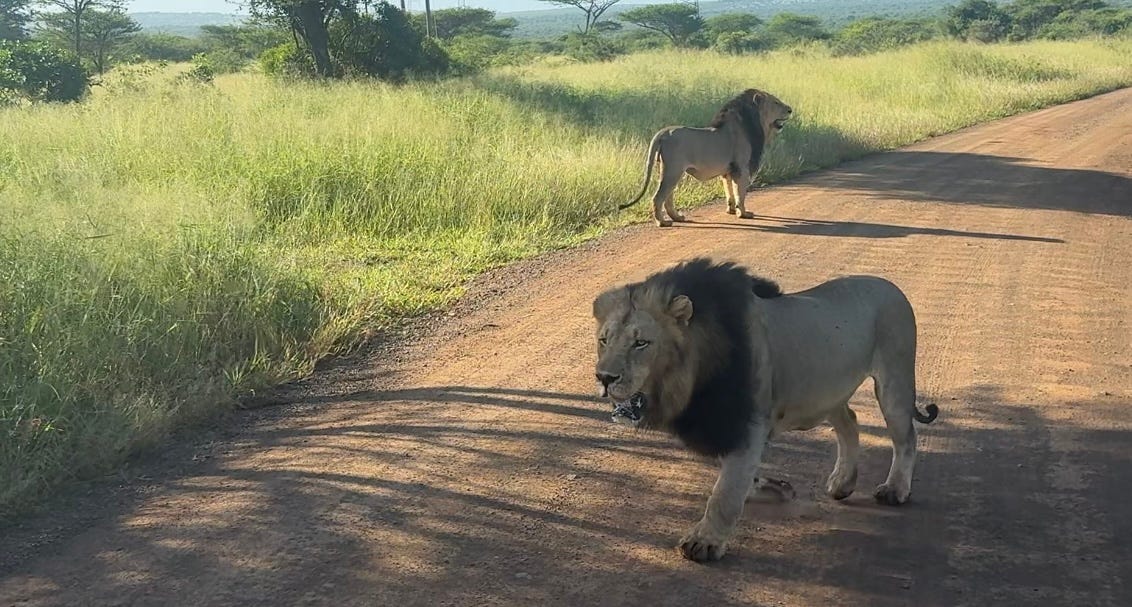
The roar rose from deep in their throat, powered by hunger, as if at any second they could devour flesh and drink blood. With all the physical assets of a predator granted by nature, free from human shame or moral complication, killing is their rightful act. Boyfriend squeezed my thigh as one lion walked pass by. We laughed about it later, but I know that feeling. The closeness to lions brought forth a primal fear, the instinct of a prey to run away.
II. Safety and freedom living in safari
The youngest voyager in this trip was a little girl of 5, Anna Banana, the daughter of my boyfriend’s brother. As native as the baby giraffe to this land, she was born and raised here. Before meeting her, I imagined that when she grew up, she’d be like the Lindsey Lohan character, telling her city classmates about how antelopes causally walking in her front yard, how her dog chases hyena, about the enormous and colorful spiders.
As much I wanted to romanticize growing up in the bush, the reality is full of restrictions, especially for a kid. Animals hunt for smaller prey, a kid sounds like a delicious meal. The kid is constantly told what not to do, which flower not to touch, how far she is allowed to wander, she can’t touch almost all animals that cross path with her everyday. She had learned well. Once, when I got too close to the impala downstairs of the dinning area, her eyebrows squeezed together in a worrying knot, waved feverishly for us to leave the animal in peace.
Thankfully, restrictions did not take away her cheekiness. When disciplined, she’d reply with a high pitch “okieee”, the last syllable dipping into her two dimples. Then she’d rush to show off her double flip skills, eventually crash onto the couch, rub her dog’s face a bunch, and fall into a slumber with the light on.
I remembered after the safari week, when we traveled to the city, especially Johannesburg, I shared a similar feeling to that of a child in the bush. I was constantly warned: don’t take your phone out at a traffic light, avoid going out at night, avoid certain streets. As if when night fell, the city turned into a wild jungle where predators emerged from shadows. The idea of safety could change in an instant, like a leopard’s silent kill, sneaking behind a person and slitting their throat in an instant, all done in darkness.
By 2025, South Africa was named the 5th most dangerous country to live in, listed after Afghanistan. During the month long of trip, I’ve never heard so much complain that’s directed at one’s own country before (living in China and left the US before Turmp’s second term). People blamed the poor safety conditions on corrupted politicians who walked around as if they owned the city, with “a huge growing belly”.
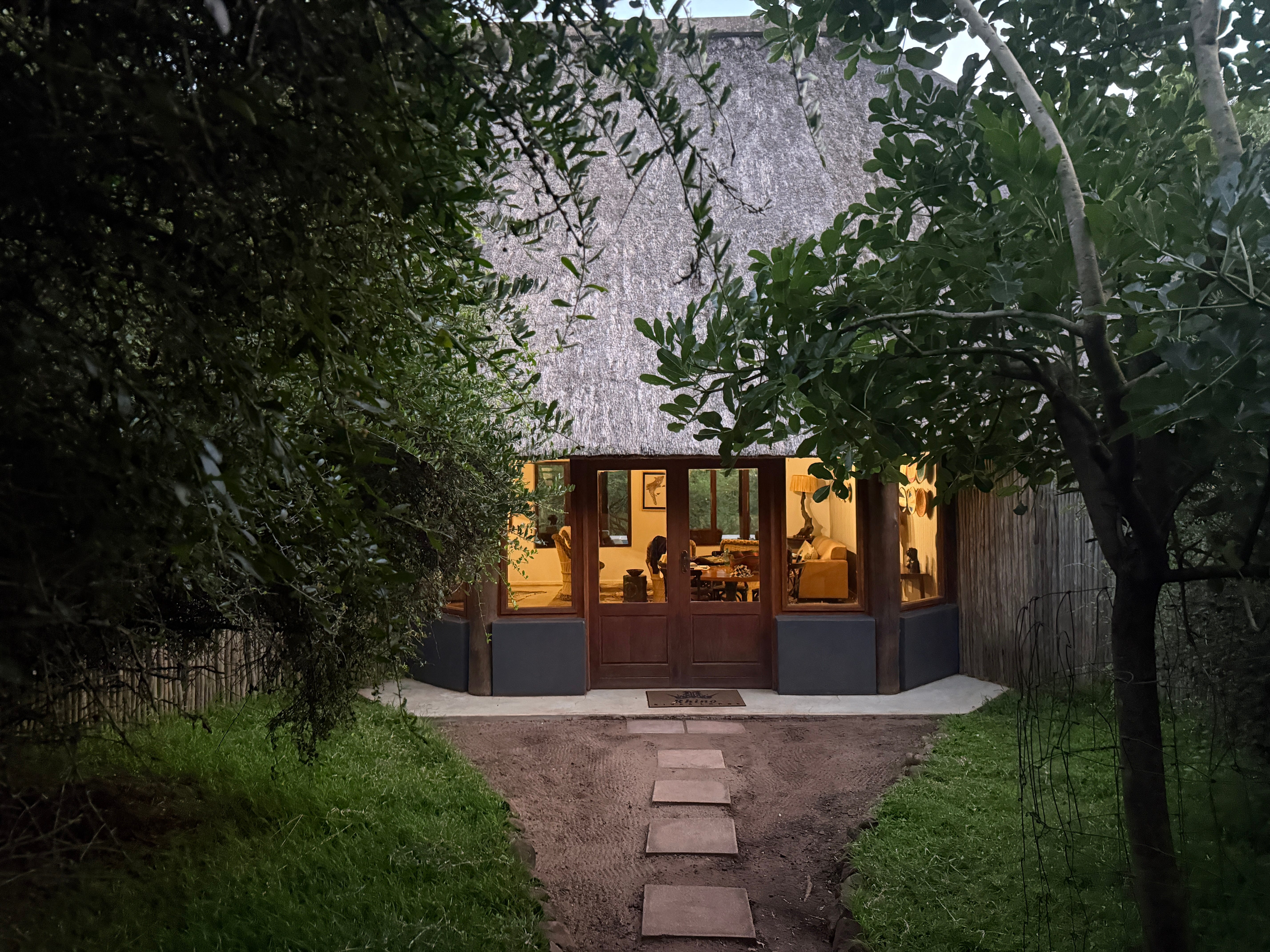
Anna’s family says they feel safe in the reserve. In over ten years of working and living there, no guest has been harmed by animals. As long as you respect them, they are comfortable cohabitating with humans. Anna’s mom said she feels comfortable walking to the shop with her purse, something she wouldn’t dare to do in the city, because justice is done better here. The Zulu leaders act as judge and protector. Crimes within their district jurisdiction are punished as jungle rules, an eye for an eye, say a child sexual assault crime faces harsh punishment of chopping their body part off. The punishment scares criminals so much that they keep hands to themselves.
People shared complicated feelings towards Mandela, a freedom fighter and humanitarian who set such a high moral ground for the country that it feels impossible for his successors to match. It seems to be the case that the greater the freedom, perhaps the greater the punishment should be, that perhaps the only way for a system to function here is for freedom and consequence to go hand in hand. And what surprised me most was how agile local communities can be when national systems feel fragile. (I will discuss this in another post.)
III. Human’s intervention
If human society struggles with balance, the animal land appears, at first glance, more orderly.
In theory, when it comes to animal lands, the reserve lives on with little or no human intervention. The loop of food chain works smoothly on its own: dung beetles clean, birds remove parasites from giraffes, occasionally, rangers need to get rid of alien plants or calculate fire to burn grass to rejuvenate the land. Humans watch for early signs of imbalance in nature and try their best to restore it.
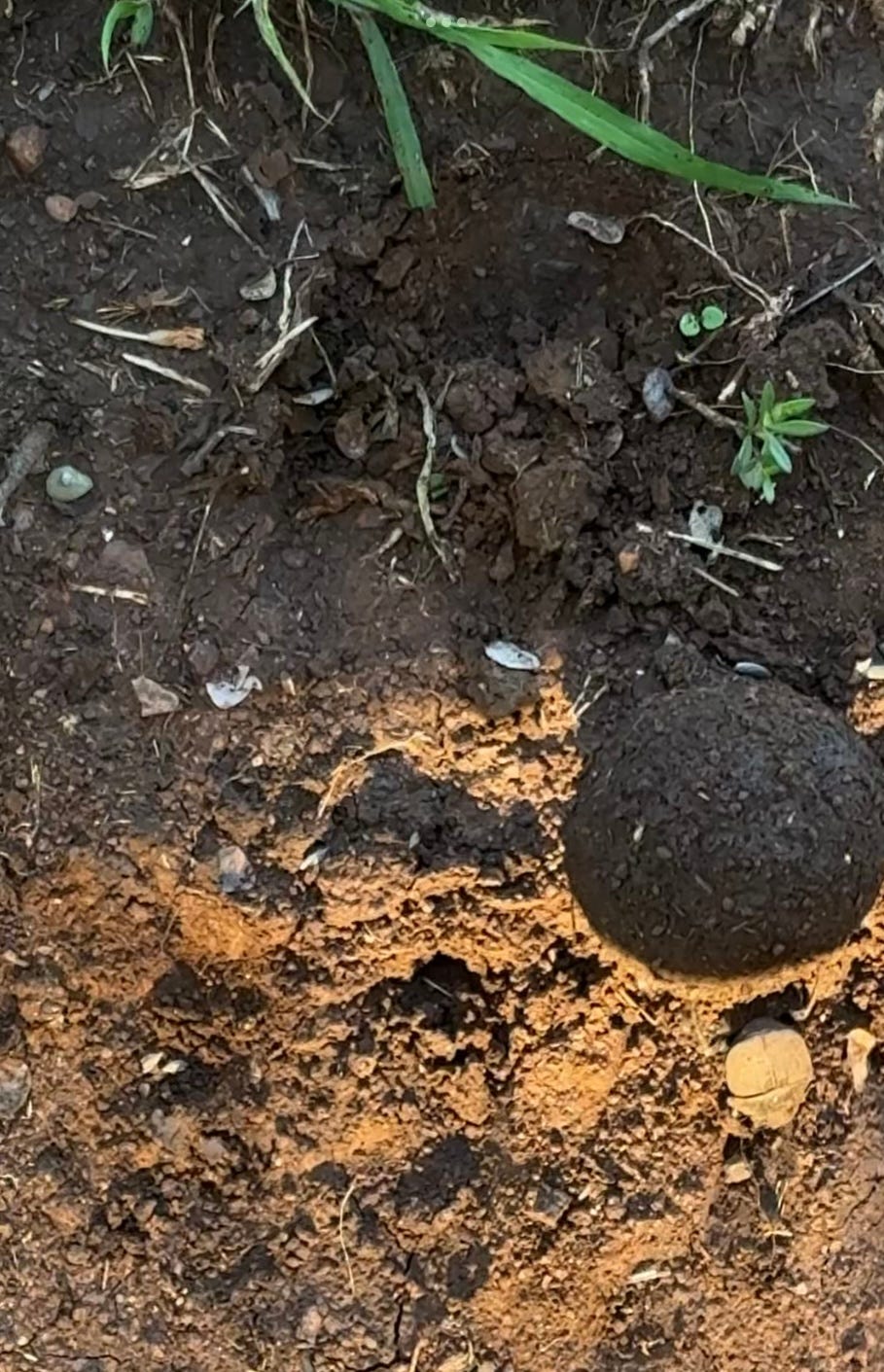
Power is less disguised in the animal kingdom, each creature moves within its role that nature intended so. The most unpredictable source of danger does not come from lions or leopards, it comes from humans.
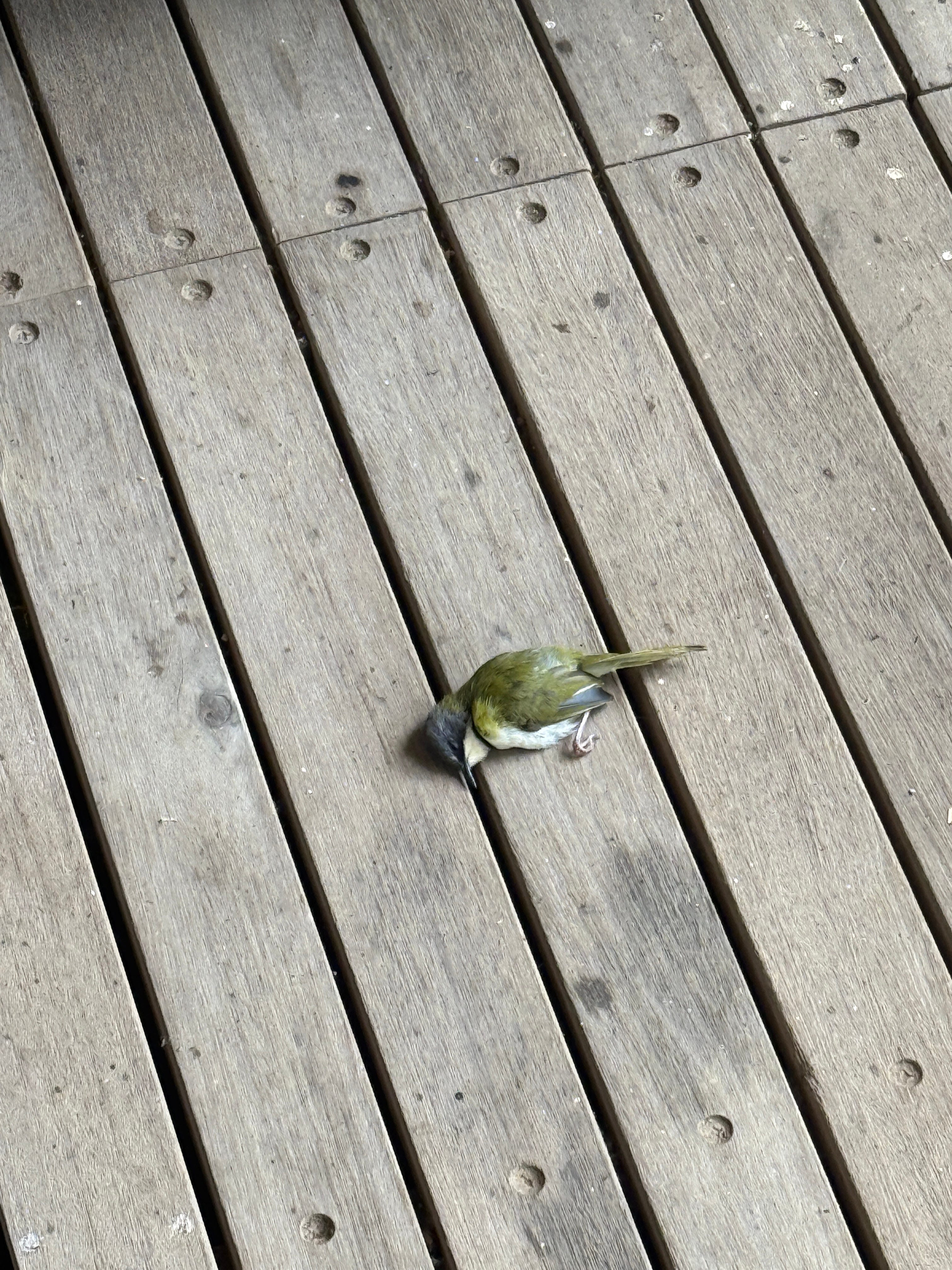
My boyfriend’s brother said he once squatted in the grass for days and nights to spot them, and the gun he carries every day is not for wild animals, but poachers.
This reminds me of a Chinese TV show that’s popular lately, about a group of people defending antelope in Tibet, in the second episode, 300ish were killed and skinned for sale. In the show, the leader makes a speech: if all the antelope are gone, then the other animals, and what animal is next? (Antelopes are a crucial prey base for large predators, keeping the ecosystem balanced and functional. If one link on the food chain is off, all hell breaks loose.
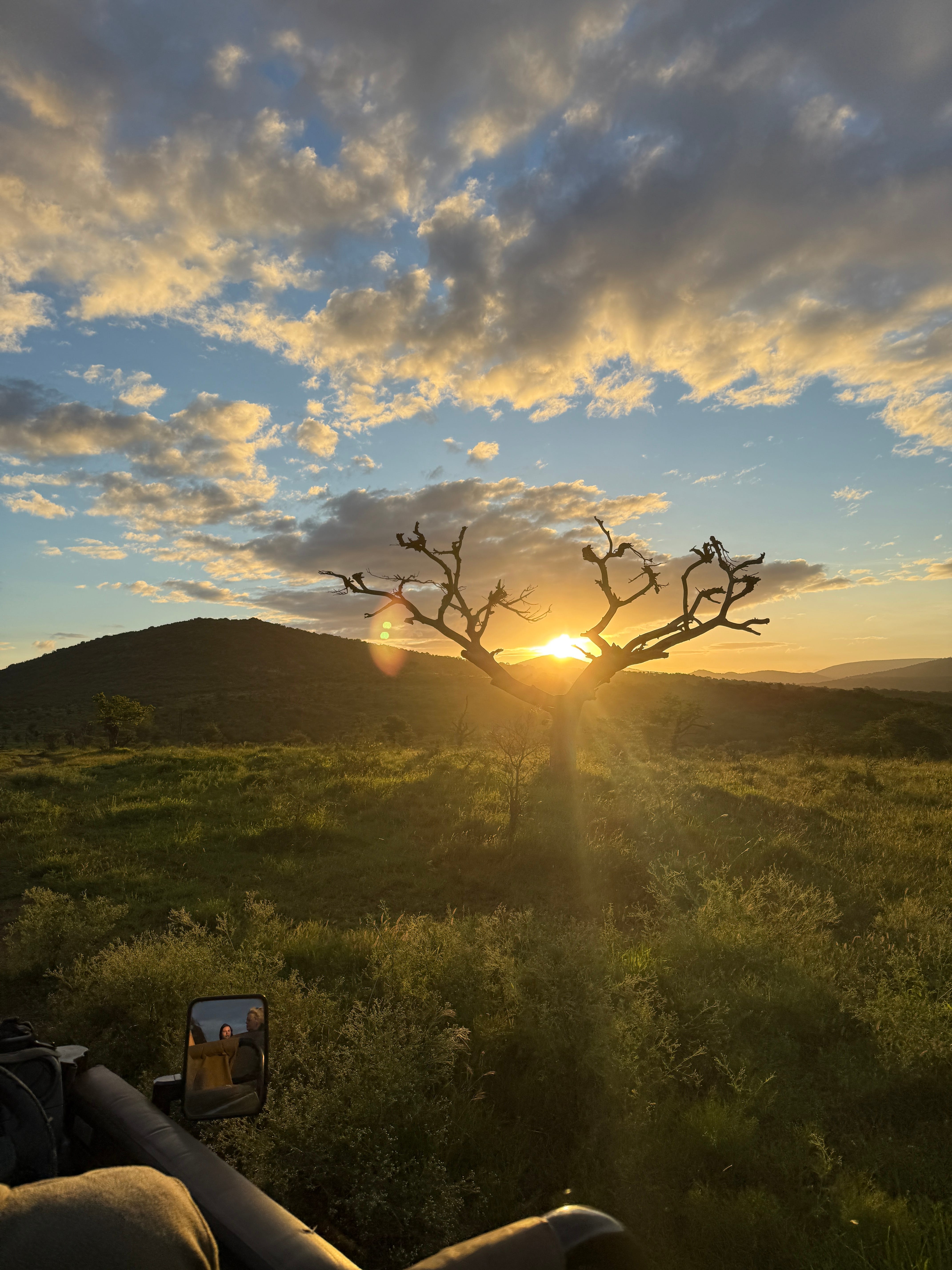
Balance, whether in the bush or city, seems fragile in the same way.
And perhaps that’s why, if I have a chance to do a safari again, I would want to return differently. I’d like to just be there, camera-free, observing the animals in order to understand, like how I watch my pet snail at home. You can see how he slowly bites into a tiny piece of lettuce, and how it travels through his nearly transparent skin.
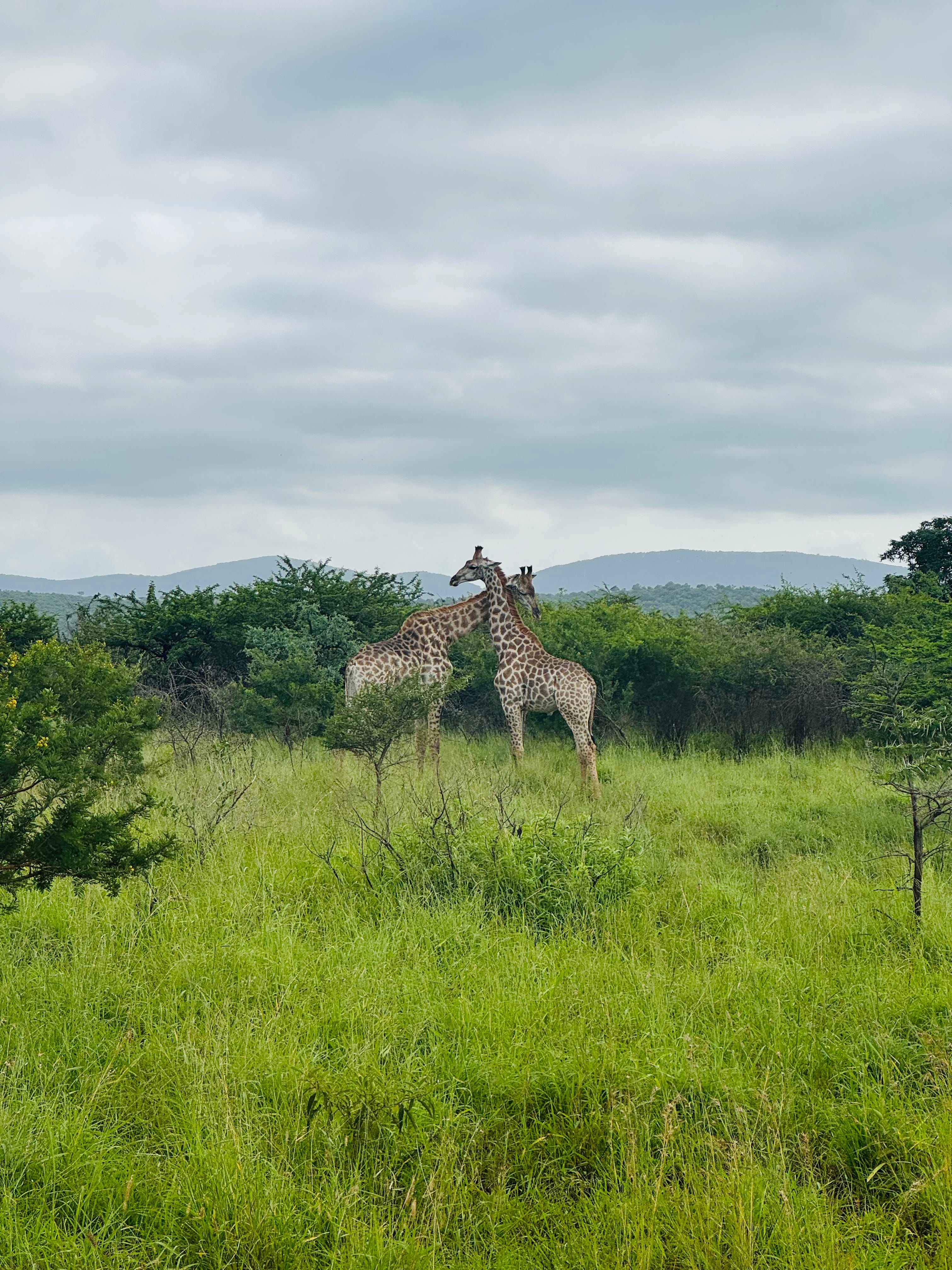
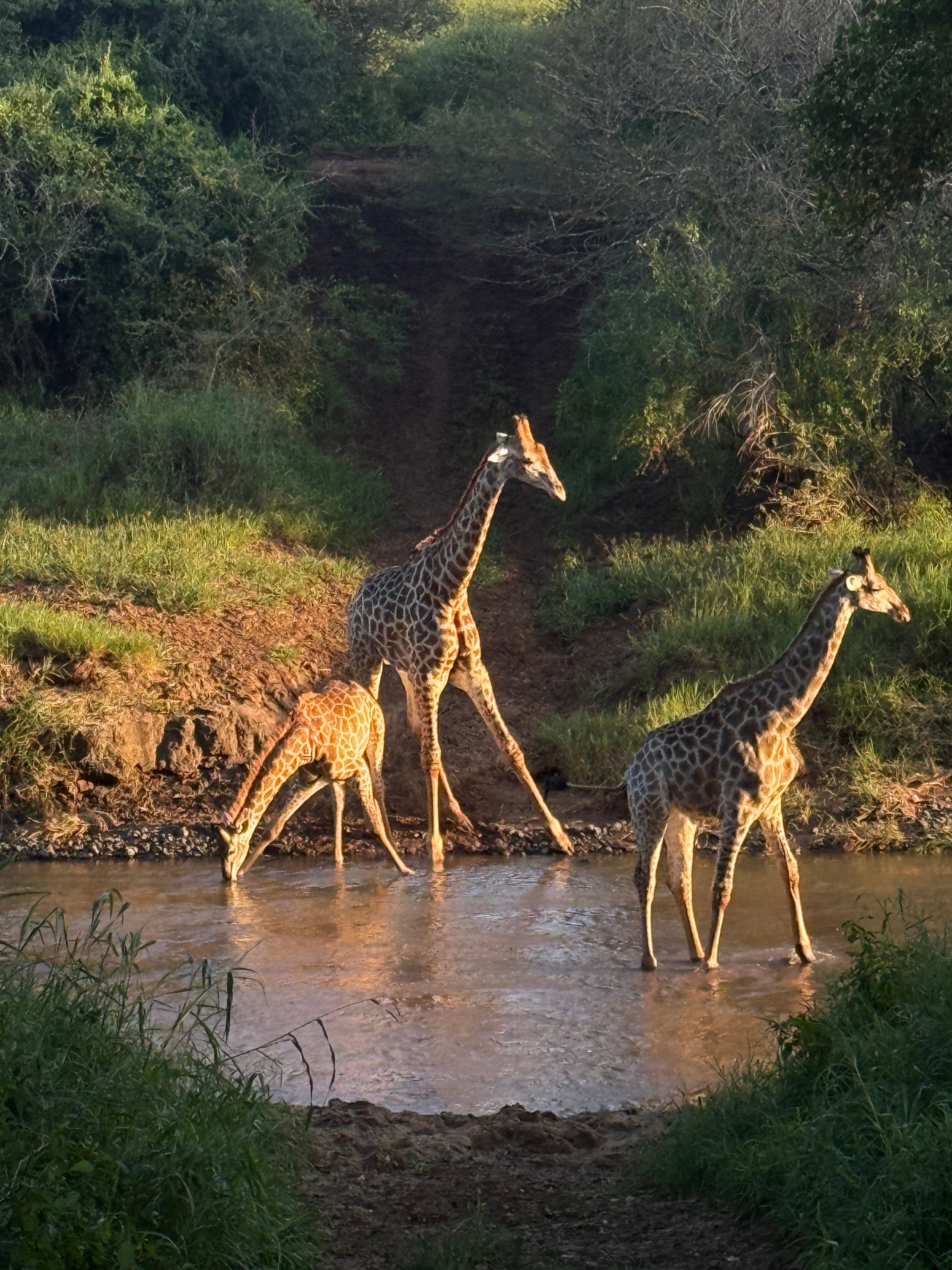
I had my moment witnessing a baby giraffe drinking water next to his/her ma this time. It was a golden afternoon, the sunset thinly veiled the baby giraffe, as it spread its legs wide to lower its head for a drink, tail wiggling gently, happily accepting the nourishment of sun and water. There was a sense of innocence in it before it grows into that elongated and graceful being.
I wonder, when I stop trying to “capture” them with a curious gaze, how will they see me?
That young giraffe at dusk, pausing to drink, did it ever lift its eyes and glance at this intruder in the fluorescent yellow jacket? In its pupils, am I a creature to be wary of, or just an insignificant part of the landscape?
In the world of safari, we always think of ourselves as the observers. But perhaps we are the ones being watched, assessed, and tolerated.
On this trip, I once saw a giraffe moving slowly in the glow of the night lights, its muscles rippling rhythmically beneath its legs.
It had no need to flee, and nothing to prove. There was a quiet power in that.
And maybe that quietness is exactly how they look back at us.
To be continued…